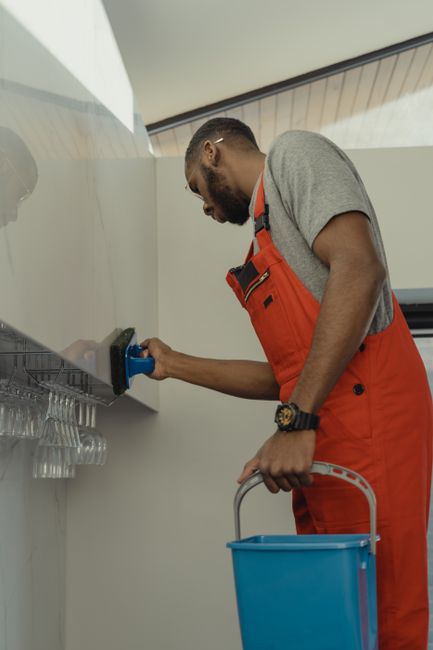
End of tenancy cleaning W4 get landlord ready fast
If you are trying to leave a W4 property in good shape, you probably want one thing above all else: a clean that gets the landlord ready fast. Not a half-finished tidy-up. Not a panic scrub at 9pm with a cold cup of tea beside you. A proper end of tenancy cleaning W4 get landlord ready fast approach is about speed, detail, and knowing exactly what landlords and letting agents usually look for at check-out.
In plain English, that means removing the everyday build-up, tackling hidden grime, and making the place feel freshly reset. The good news? With the right plan, you can do it without wasting time or energy. This guide walks through what matters, how the process works, where people usually go wrong, and how to move out without those last-minute surprises that make everyone sigh.
Expert summary: If you need a landlord-ready finish quickly, focus on the high-risk areas first: kitchen, bathroom, carpets, skirting, switches, and any visible stains. Speed comes from sequence, not rushing.
Table of contents
- Why end of tenancy cleaning W4 get landlord ready fast matters
- How it works
- Key benefits and practical advantages
- Who this is for and when it makes sense
- Step-by-step guidance
- Expert tips for better results
- Common mistakes to avoid
- Tools, resources and recommendations
- Law, compliance, standards and best practice
- Options, methods and comparison table
- Case study or real-world example
- Practical checklist
- Conclusion
- Frequently asked questions
Why End of tenancy cleaning W4 get landlord ready fast Matters
Move-outs are a strange mix of admin, emotion, and practical work. You are packing boxes, checking the last utility readings, and trying to remember where the spare keys are. In that mess, cleaning can become the thing people leave too late. That is where trouble starts.
Landlords and letting agents usually expect the property to be returned in a clean, presentable condition. In practice, that means a lot more than a quick vacuum and wiping the sink. The aim is to make the home look properly looked-after, so the inspection feels straightforward rather than awkward. If a room still smells of cooking, looks dusty on the tops of doors, or has old marks on the carpet, it can create friction even if the rest of the property is fine.
W4 properties often have their own practical quirks too. Older fittings, lived-in carpet, London dust, busy roads, and hard water build-up can all make a place look tired faster than you would think. A landlord-ready clean takes those realities seriously. Truth be told, it is less about "sparkle" and more about removing the small things that signal neglect.
There is also a timing issue. When move-out day is near, there is rarely space for a two-day deep clean. You want an efficient system that targets the right areas first. That is why a focused end of tenancy cleaning plan matters: it helps you avoid wasting hours on low-value tasks while missing the bits that actually get noticed.
If you are comparing service options, it can help to look at a specialist end of tenancy cleaning service alongside broader support such as deep cleaning or move out cleaning. Sometimes the right choice is a full-package clean; sometimes it is a targeted clean with a few extra extras. Depends on the flat, really.
How End of tenancy cleaning W4 get landlord ready fast Works
A good end of tenancy clean is usually built around a top-to-bottom sequence. You start with dust and dry debris, then move into grease, limescale, marks, and fabric care. That order matters because cleaning in the wrong sequence just creates more work. Wipe a dusty shelf too early and you will be doing it again after the skirting boards and door frames get done. Annoying, but common.
Professionally, the process often includes:
- vacuuming and edge cleaning in all rooms
- dusting light fittings, skirting boards, ledges, and switches
- kitchen degreasing, appliance cleaning, and sink descaling
- bathroom sanitising with attention to grout, taps, and shower screens
- interior window and frame cleaning where needed
- spot treatment for stains and marks on carpets or upholstery
- final touch-ups for presentation before inspection
When time matters, the best approach is not to clean everything equally. It is to clean strategically. The kitchen and bathroom carry the most inspection risk because they show wear quickly. Carpets and soft furnishings matter too, especially if there are obvious traffic paths, pet odours, or food spills. If those areas are handled well, the whole property tends to feel much better almost immediately.
A practical example: imagine a one-bedroom flat in W4 with a busy kitchen, hallway carpet, and a bathroom that has seen a few months of condensation. If you only have one evening, you would not start by polishing decorative surfaces. You would hit oven grease, shower limescale, sink residue, and carpet stains first. That is the fastest route to a landlord-ready result.
For some homes, extras such as oven cleaning, window cleaning, or carpet cleaning make a visible difference. If fabrics need attention, upholstery cleaning and sofa cleaning can stop a room feeling stale. Small detail, big effect.
Key Benefits and Practical Advantages
The obvious benefit is time saved. But there is more to it than that.
- Faster handover: A focused clean gets the property inspection-ready without dragging the process out.
- Better first impression: Landlords notice what looks cared for. Clean edges, fresh smells, and clear surfaces do a lot of heavy lifting.
- Reduced stress: Move-out weeks are busy enough. A structured clean takes pressure off the final days.
- More complete results: A proper clean reaches the overlooked bits, like behind appliances or around door handles.
- Helpful for deposit discussions: While no one can promise an outcome, a stronger cleaning standard can reduce avoidable disputes over cleanliness.
- Works well with last-minute timing: If you are short on time, a professional-style sequence helps you prioritise where it counts.
There is a psychological benefit too. Once the property starts looking fresh, everything feels less chaotic. You stop seeing the whole job as one giant mountain and start seeing progress. That matters more than people admit. A clean hallway suddenly makes the rest of the flat seem achievable.
If you are looking at a one-off solution rather than a recurring schedule, one off cleaning can be a useful option for the final push. For some households, the move-out process is also the moment to reset habits and think about regular cleaning for the next place. Makes life easier, honestly.
Who This Is For and When It Makes Sense
This kind of clean is for anyone who needs the property to look ready, quickly, and without a lot of second guessing. That includes tenants moving out of flats, sharers in house shares, families leaving a long-term rental, and even people who are leaving after a short stay but still want to hand the property back properly.
It makes particular sense when:
- your checkout is tomorrow and the property still needs work
- you have pets, children, or a busy household that created extra wear
- the landlord or agent expects a professional-level finish
- the kitchen or bathroom needs more than a surface wipe
- carpets, rugs, or upholstery show visible traffic marks
- you are moving in the same week and need the old place sorted fast
Not everyone needs the same level of service. A nearly spotless studio may only need a light reset and targeted stain removal. A larger family property with carpeted stairs and a well-used oven will usually need a much deeper approach. You know your own place best. Be honest about the state of it. That saves time later.
Sometimes the job is not just about tenancy cleaning. If you have accumulated clutter or are leaving bulky items behind, you may also need support with house clearance. And if you are moving in and out in the same week, pairing this with move in cleaning planning can stop the whole process from becoming a scramble.
Step-by-Step Guidance
Here is the practical version. No fluff.
- Declutter first. Remove everything that is yours. Cleaning around boxes slows you down and hides dirt.
- Work room by room. Start with the kitchen and bathroom, then move through bedrooms, living space, and hallway.
- Clean from top to bottom. Dust high ledges, light fittings, and shelves before floors.
- Tackle grease and limescale early. These are the marks that make a property feel uncared for.
- Vacuum thoroughly. Get into edges, corners, under furniture, and along skirting.
- Deal with carpets and fabrics. Spot clean stains, refresh rugs, and remove odours where possible.
- Inspect with natural light. Open blinds or curtains and check the room by daylight if you can. It shows what a lamp misses.
- Do the final pass. Wipe switches, handles, taps, mirror edges, and visible fingerprints.
A good trick: clean the area you see most when you walk into the room. It sounds simple, but first impressions really do shape how a property feels. In a hallway, that might mean the front mat, the door frame, and the strip of carpet that gets stepped on every day. In a kitchen, it is often the hob, sink, worktop edges, and splashback.
If you are dealing with stubborn marks, a dedicated stain removal approach can save you from scrubbing the same patch repeatedly and making the fabric look worn. For mattresses, mattress cleaning can be helpful when beds have been used for a long tenancy and there are visible marks or lingering smells.
One more thing. If you are cleaning after a renovation or DIY patch-up, the sequence changes a bit. Dust from sanding or painting can settle everywhere, so you may need something closer to after builders cleaning. Not the same job, not really.
Expert Tips for Better Results
These are the little things that make the difference between "clean enough" and "ready for inspection".
- Use the right cloth for the job. Microfibre is often best for dust and polish, while textured cloths handle grime better.
- Let cleaning products dwell. A few minutes on grease or limescale can reduce the need for heavy scrubbing.
- Check the spots people overlook. Tops of doors, behind radiators, extractor fan covers, and the edge of skirting are common misses.
- Neutral smells beat strong fragrances. Fresh air and clean surfaces are better than masking odours with something overpowering.
- Don't forget fabrics. A room can look tidy and still feel stale if sofas, curtains, or rugs hold odours.
To be fair, not every surface needs heroic effort. Some marks are cosmetic and some are structural wear. A tiny paint scuff on an old wall is one thing. Sticky kitchen residue, black mould in a shower seal, or an oven full of baked-on fat is another. Spend your energy where it will clearly show.
If carpets are a concern, especially in hallways or living rooms, steam carpet cleaning can give a deeper refresh than vacuuming alone. For harder flooring, hard floor cleaning helps remove dull build-up that makes a room look older than it is. And yes, windows matter. A surprising amount, actually.
Common Mistakes to Avoid
People usually do not fail tenancy cleaning because they are lazy. They fail because they misjudge the order or the level of detail needed. Happens all the time.
- Starting too late: Leaving the whole job for the final morning is the fastest route to stress.
- Cleaning visible areas only: Landlords tend to notice what is on the edge, under, and behind, not just the middle of the room.
- Ignoring odours: A room can look tidy and still feel "not quite right" if it smells of pets, smoke, or old cooking.
- Using too much product: Over-wetting carpets or upholstery can leave marks and make drying take longer.
- Forgetting appliances: The oven, fridge seals, hob, and extractor often decide whether a kitchen feels properly cleaned.
- Missing the final inspection walk-through: One careful pass with fresh eyes catches the last fingerprints and dust lines.
A lot of people also underestimate how much curtains, sofas, and rugs affect the overall impression. If the floor and surfaces are clean but the soft furnishings are dull or stained, the place can still feel tired. That is where rug cleaning and curtain cleaning can be genuinely useful.
And if pet odours are part of the problem, do not just spray and hope. A proper pet stain odour removal approach is often more effective than repeated masking. Let's face it, landlords have very good noses sometimes. Slightly unfair, but there we are.
Tools, Resources and Recommendations
You do not need a van full of specialist gear to improve the result, but the right tools help a lot. Here is a sensible basic kit:
- microfibre cloths in several colours
- a vacuum with attachments for corners and upholstery
- an all-purpose cleaner
- a degreaser for kitchen surfaces
- a bathroom descaler
- glass cleaner
- a bucket, mop, and spare pads
- a soft brush for grout and edges
- rubber gloves and bin bags
For many tenants, the practical decision is whether to do the job themselves or bring in a specialist service for specific areas. If your time is tight, booking targeted help for carpets, upholstery, or ovens can be the difference between a rushed handover and a calm one. Services like oven cleaning, window cleaning, and upholstery cleaning often give the quickest visible gains.
For pricing, it is usually better to request a written quote after describing the property honestly rather than guessing from the room count alone. A compact flat with heavy staining can take longer than a larger but well-kept home. If you want to explore pricing in a transparent way, see the company's pricing and quotes information.
Law, Compliance, Standards and Best Practice
Tenancy cleaning is not normally about a separate legal test with one magic phrase that solves everything. In the UK, the practical expectation is usually that the property is returned in a clean condition, taking into account fair wear and tear. What counts as fair wear depends on the length of the tenancy, the condition at move-in, and the normal use of the property.
That is why photos matter. So do inventory reports, check-in notes, and any written agreement about cleaning standards or professional carpet cleaning. If those documents exist, they should guide what you do next. If you are unsure, it is safer to clean more thoroughly than to assume a light tidy is enough.
Best practice also includes safe cleaning. Use products as directed, ventilate rooms properly, and avoid mixing chemicals. It sounds obvious, but in a hurry, people do odd things. One bottle, then another, then a bit of bleach because the sink is stubborn. Not ideal.
Reputable providers should also be able to explain their approach to safety and trust. If you are comparing services, pages such as health and safety policy, insurance and safety, and terms and conditions help you understand how work is handled. That is useful peace of mind, especially when the job is time-sensitive and you do not want loose ends.
Options, Methods and Comparison Table
There are a few ways to get a landlord-ready result. The right option depends on time, budget, and how much the property needs.
| Method | Best for | Strengths | Limitations |
|---|---|---|---|
| DIY clean | Light wear, tidy properties, flexible timelines | Low cost, full control, can be done gradually | Time-consuming, easy to miss detail, physically tiring |
| Targeted professional help | Problem areas like ovens, carpets, upholstery, windows | Fast improvement where it matters most | May not cover the whole property |
| Full end of tenancy clean | Most move-outs, check-out pressure, busy schedules | Comprehensive, efficient, inspection-focused | Usually the highest upfront spend |
| Move-in/move-out combo planning | Back-to-back tenancy changes | Helps reduce chaos between addresses | Requires good timing and coordination |
If the property has communal areas, shared hallways, or building-wide access points, you may also want to look at communal area cleaning. In some cases, what makes the whole place feel inspection-ready is not just the flat itself but the approach to the surrounding space. A clean entrance really does change the mood.
Case Study or Real-World Example
Here is a realistic example from the kind of move-out jobs people often face in W4.
A tenant in a two-bedroom flat had three days before checkout. The place was not disastrous, just lived in. The kitchen had cooking grease around the hob and extractor, the bathroom showed limescale on the taps, one bedroom carpet had a coffee mark near the bed, and the lounge sofa looked a bit flattened and tired. The tenant had already packed most belongings, which helped. Still, the property did not feel ready.
The clean started with the kitchen and bathroom because those were the highest-risk areas. Grease was lifted, the oven was tackled, taps were descaled, and mirror edges were wiped. After that, the carpets were vacuumed carefully and the coffee mark treated. The sofa was refreshed, windows were cleaned inside, and the final pass caught fingerprints on switches and the inside of the front door. Nothing dramatic. Just disciplined, sensible work.
By the end, the flat felt lighter. You know that moment when a room stops feeling busy and starts feeling empty in a good way? That. The inspection became far more straightforward because the obvious issues had already been addressed. No grand miracle. Just good sequencing and not skipping the details.
Practical Checklist
Use this checklist before handover. It is simple, but it works.
- All personal items removed
- Kitchen surfaces degreased and sanitised
- Oven cleaned inside and out
- Fridge and freezer emptied, wiped, and defrosted if required
- Bathroom taps, shower screens, tiles, and grout cleaned
- Toilets, sinks, and seals sanitised
- Carpets vacuumed and visible stains treated
- Rugs and upholstery refreshed if needed
- Windows, sills, and frames cleaned where accessible
- Skirting boards, switches, and handles wiped
- Bins emptied and removed
- Floors mopped or vacuumed as appropriate
- Final smell check completed with windows open
- Keys, manuals, and access items gathered
If you want a quicker route and fewer moving parts, a specialist end-of-tenancy clean can cover the heavy lifting while you focus on packing and handover logistics. For many renters, that is the sensible balance. It keeps the process moving and reduces the chance of small misses that lead to bigger conversations later.
Conclusion
End of tenancy cleaning in W4 is not just about making the place look decent for a few photos. It is about handing over a home in a condition that feels clear, calm, and ready for the next person. When you get the sequence right, the whole process becomes much less stressful. Clean the high-risk areas first. Handle the hidden grime. Do the final walk-through. Simple, but effective.
Whether you are doing it yourself or using targeted support for the tougher jobs, the goal is the same: get the landlord ready fast without cutting corners where it matters. A methodical clean saves time, protects your headspace, and gives you a much stronger finish on move-out day. And honestly, after the last box is out, that kind of peace is worth a lot.
Get a free quote today and see how much you can save.
When the flat is quiet again and the windows are open to the street, it is a good feeling to know you left it properly.
Frequently Asked Questions
What does landlord-ready end of tenancy cleaning actually mean?
It means cleaning the property to a standard that makes it ready for inspection and handover. In practice, that includes kitchens, bathrooms, floors, surfaces, and any visible marks or odours that could cause issues.
How fast can an end of tenancy clean be done in W4?
That depends on the size and condition of the property. A small, tidy flat may be cleaned quickly, while a larger home with carpets, ovens, and stubborn stains will naturally take longer. The cleaner the property is before the service starts, the faster the turnaround.
Is professional end of tenancy cleaning worth it?
Often, yes, especially if you are short on time or the property needs more than a basic tidy. It can save effort and improve the final presentation, which is exactly what most tenants want at checkout.
Do I need carpet cleaning as part of the move-out clean?
Not always, but it is often helpful if there are stains, traffic marks, or odours. Carpets can change the look of a room quickly, so they are worth considering when the property needs to look fully refreshed.
What should I clean first when moving out?
Start with clutter removal, then tackle the kitchen and bathroom before moving through the rest of the property. These are usually the most inspection-sensitive areas, so they deserve priority.
How do I get rid of stubborn kitchen grease before inspection?
Use a suitable degreaser, allow it to sit for a few minutes, then wipe thoroughly. If the build-up is heavy, repeat the process rather than scrubbing too hard at once. That usually works better and protects surfaces.
Can I do end of tenancy cleaning myself?
Yes, if you have time, energy, and the right supplies. The main risk is missing detailed areas or underestimating how long it takes. A self-clean can work well for lighter properties, but it needs a proper plan.
What areas do landlords usually notice most?
Kitchens, bathrooms, carpets, and visible touchpoints like switches, handles, and skirting boards. Smells and hidden grime can matter too, even if the room looks fine at first glance.
Should I book cleaning before or after moving furniture out?
Always after the furniture is out, if possible. Empty rooms are much easier to clean properly, and it is easier to spot stains, dust, and marks without items in the way.
What if the property has pet stains or lingering odours?
That usually needs more than a quick surface clean. A proper pet stain and odour treatment can be far more effective than masking the smell, especially in carpets, rugs, or upholstered furniture.
Are windows and oven cleaning really necessary?
They are not always mandatory, but they often make a noticeable difference. A clean oven and clear windows can lift the whole property, which helps with the overall impression during inspection.
How do I choose between one-off cleaning and full end of tenancy cleaning?
If the property only needs a few targeted jobs, one-off cleaning may be enough. If the full home needs attention before handover, a dedicated end of tenancy clean is usually the better fit.
What is the best last-minute move-out cleaning tip?
Do one final walk-through in daylight and look at the property as if you were the inspector. That small pause catches fingerprints, dust lines, and missed marks that are easy to overlook when you are in a rush.