Upholstery cleaning Turnham Green Chiswick trusted guide

If your sofa is looking a bit tired, your dining chairs have picked up everyday marks, or that armchair seems to hold onto every smell in the room, you are not alone. Upholstery cleaning in Turnham Green, Chiswick is one of those jobs people put off until the stains, dust, and dullness are impossible to ignore. This trusted guide explains what professional upholstery cleaning involves, how to choose the right approach for different fabrics, and what to expect before, during, and after the clean. It is written for local homeowners, tenants, landlords, and anyone who wants their furniture to feel fresher without guesswork.
Let's face it, soft furnishings take a beating. They collect body oils, crumbs, pet hair, pollen, and the odd coffee spill. The good news is that most upholstery can be cleaned safely if you use the right method and a sensible amount of care. In this article, you will get practical advice, common mistakes to avoid, and a simple framework for deciding when to book help and when light maintenance is enough.
Table of Contents
- Why Upholstery cleaning Turnham Green Chiswick trusted guide Matters
- How Upholstery cleaning Turnham Green Chiswick trusted guide Works
- Key Benefits and Practical Advantages
- Who This Is For and When It Makes Sense
- Step-by-Step Guidance
- Expert Tips for Better Results
- Common Mistakes to Avoid
- Tools, Resources and Recommendations
- Law, Compliance, Standards, or Best Practice
- Options, Methods, or Comparison Table
- Case Study or Real-World Example
- Practical Checklist
- Conclusion
- Frequently Asked Questions
Why Upholstery cleaning Turnham Green Chiswick trusted guide Matters
Upholstery is often the most-used surface in a home, yet it is rarely cleaned as often as carpets or floors. That matters because fabric furniture behaves like a filter. It traps dust, airborne particles, food residue, sweat, pet dander, and everyday grime that gradually changes how it looks, smells, and feels. In a busy Chiswick home, especially around Turnham Green where people often juggle work, family life, and visitors, furniture can get worn-looking long before it is actually worn out.
A proper upholstery cleaning routine helps you protect the fabric, maintain comfort, and delay replacement. That is the practical side. The other side is more personal: clean upholstery simply makes a room feel calmer. You notice it when you sit down and the sofa smells neutral instead of stale, or when a chair no longer has that slightly greasy patch on the armrest. Small thing, big difference.
It also matters because different fabrics react differently to moisture, heat, and cleaning agents. A cotton blend may tolerate a wet clean, while a delicate viscose mix or velvet-style finish may need a far gentler approach. If you treat everything the same, you risk rings, shrinkage, fibre distortion, or colour loss. Not ideal, and honestly avoidable.
For that reason, a trusted guide is about more than stain removal. It is about knowing what fabric you have, what soil is present, what can be cleaned safely, and where the limits are. If you are comparing upholstery cleaning with other services, it can also help to look at related care options such as sofa cleaning, curtain cleaning, and broader deep cleaning for the rest of the room.
How Upholstery cleaning Turnham Green Chiswick trusted guide Works
Professional upholstery cleaning usually starts with identification. That means checking the fabric type, construction, dye stability, and the manufacturer's cleaning code where available. Those fabric codes are there for a reason. They help determine whether the item should be water-cleaned, solvent-cleaned, or treated with a minimal-moisture method.
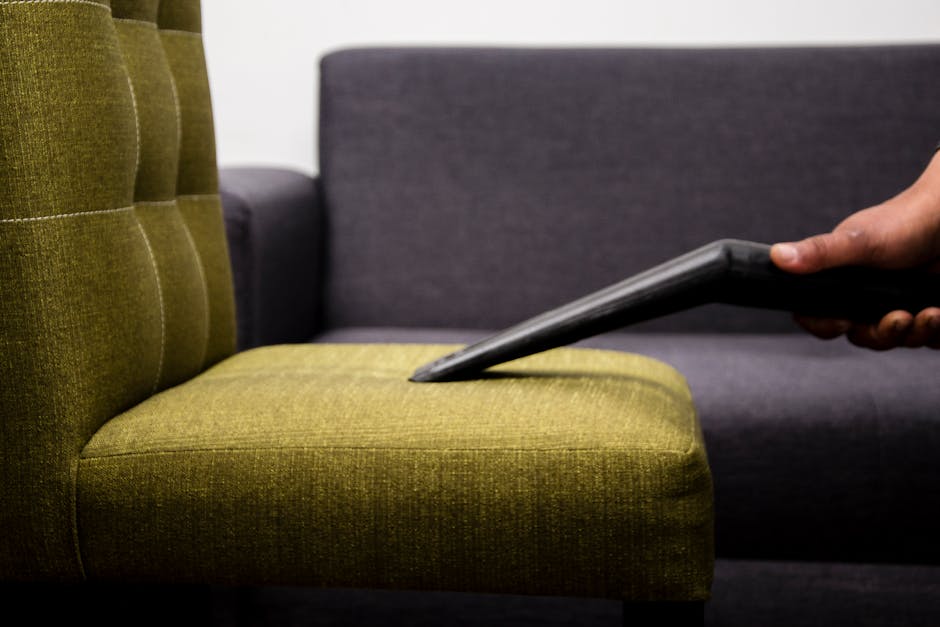
The cleaner then removes loose debris through careful vacuuming, often using a soft upholstery tool and paying attention to seams, piping, and creases. That is where crumbs, grit, and pet hair like to hide. After that comes pre-treatment. Spots, traffic marks, and greasy patches are usually treated separately because a general clean alone rarely shifts them fully.
Next comes the actual clean. Depending on the fabric and soiling, this may involve hot water extraction, low-moisture cleaning, dry cleaning solvents, foam cleaning, or a specialist stain treatment. Hot water extraction is common for many durable fabrics because it can flush out dirt deeply. But it is not automatically the best choice for every item. Sometimes gentler really is smarter.
After cleaning, the fabric is usually groomed and left to dry properly. Drying time can vary a lot depending on airflow, temperature, fabric weight, and how much moisture was used. A sunny spring morning with a window cracked open helps. A damp room in winter, less so. If you want a service built around fabric care rather than just speed, the dedicated upholstery cleaning service is the most direct place to start.
Good upholstery cleaning is controlled, not aggressive. That is the difference between a respectable result and a soggy sofa that smells vaguely of soap until Thursday.
Key Benefits and Practical Advantages
The benefits of upholstery cleaning go beyond appearance, although appearance is usually what gets people searching in the first place. Once done well, the furniture looks brighter, feels cleaner, and tends to hold less odour. But there are several practical gains worth knowing about.
- Improved comfort: Softer, fresher fabric makes everyday seating more pleasant.
- Better presentation: Handy before guests arrive, after a move, or when photos matter.
- Odour reduction: Useful where pets, cooking smells, or general household odours linger.
- Fabric protection: Regular care can reduce embedded grime that wears fibres down.
- Allergy awareness: While cleaning is not a medical treatment, removing accumulated dust and debris may help create a cleaner indoor environment.
- Longer furniture lifespan: Replacing a sofa or armchair is expensive; maintenance often makes more sense.
In homes with children or pets, the day-to-day advantage is obvious. A biscuit crumb under the cushion or muddy paw marks on an ottoman do not stay contained for long. Over time, fabrics can develop a flat, tired look simply from regular use. A proper clean helps reset that.
There is also a commercial angle. If you manage a rental property, a serviced apartment, or a small office lounge, clean upholstery helps create a more professional impression. For larger premises, a complementary commercial cleaning or commercial carpet cleaning schedule may make sense alongside furniture care.
Who This Is For and When It Makes Sense
Upholstery cleaning makes sense for a wider group of people than many expect. If you live in Turnham Green or the wider Chiswick area, chances are your furniture is getting daily use and occasional abuse, usually both at once.
This service is especially useful if you are:
- a homeowner who wants to refresh sofas, armchairs, headboards, or dining chairs;
- a tenant preparing for inspection or the end of a tenancy;
- a landlord trying to present the property well between lets;
- a parent dealing with sticky patches, food marks, and repeated spills;
- a pet owner managing fur, odour, or the occasional accident;
- a business owner with reception seating or staff lounge furniture;
- someone moving in and wanting a clean reset rather than cleaning around someone else's dust.
The timing matters too. You might book upholstery cleaning after a renovation, after winter when the house has been closed up for months, or simply when a sofa starts looking dull even after regular vacuuming. If the issue is part of a wider refresh, a one-off cleaning visit can be a sensible way to tackle several tasks at once.
Some situations call for specialist attention. Pet odours, wine marks, ink, makeup, or old food stains may need a specific stain treatment rather than a standard clean. In those cases, you may want to combine upholstery care with stain removal or pet stain odour removal. Truth be told, waiting too long usually makes these problems harder, not easier.
Step-by-Step Guidance
If you want to understand the process properly, here is a straightforward step-by-step outline. This is the part that helps you decide whether the job is a quick refresh or a deeper restoration clean.
- Inspect the fabric. Check the labels, look for wear, and note any loose stitching or fragile sections.
- Test for colour stability. A small hidden area should be tested before any liquid treatment is used.
- Vacuum thoroughly. Remove dust, crumbs, and loose hair first so the clean can focus on embedded soil.
- Pre-treat obvious marks. Spot treatment usually targets grease, drink spills, and darker traffic paths.
- Choose the right method. Water-based, low-moisture, dry, or solvent-based approaches all have different uses.
- Clean the entire piece evenly. This reduces tide marks and patchy results.
- Rinse or neutralise where needed. Residue left in fabric can attract dirt again sooner than you would like.
- Groom and dry. Restore fibre direction where applicable and allow proper airflow.
- Recheck after drying. Some marks reappear only when the fabric is fully dry, so a final inspection matters.
If the furniture is part of a larger room clean, it often helps to plan the sequence carefully. Curtains, for example, can drop dust after upholstery has been cleaned, so some homeowners choose to deal with both in the same appointment. That is where services such as curtain cleaning and steam carpet cleaning can fit neatly into the same refresh cycle.
One practical note: good results are not usually dramatic in the first five minutes. They build as the item dries. By late afternoon, you often see the true colour, the improved texture, and the better overall finish. A bit like waiting for paint to dry, except more satisfying.
Expert Tips for Better Results
There are a few habits that make a real difference, especially if you are trying to keep your furniture in decent shape between professional visits.
- Vacuum weekly if you can. A soft brush attachment helps lift surface dust before it settles deeper.
- Blot, do not scrub. Rubbing usually pushes the spill further into the fibres and can rough up the pile.
- Act quickly on fresh spills. Fresh marks are far easier to manage than old ones that have dried in.
- Use covers where life is busy. Not glamorous, but useful for family rooms and pet-heavy homes.
- Rotate cushions. It reduces wear in obvious sit-spots and keeps the look more even.
- Open windows when drying. Airflow matters. A little ventilation can shorten drying time noticeably.
- Ask about the fabric code. If you do not know it, the cleaner should still inspect carefully rather than guessing.
Here is a small but important point: different upholstery fabrics can look cleaner while still holding residue inside. So a sofa that looks fine on the surface may still benefit from a deeper clean if it has absorbed body oils or cooking odours. The room may feel fresher almost immediately after, and you will notice that as soon as you sit down.
For households with pets, pair upholstery care with regular vacuuming and targeted spot treatment. A heavy pet smell will not always leave just because the visible stain is gone. Smell has a sneaky way of hanging on.
Common Mistakes to Avoid
Most upholstery damage from cleaning is caused by overconfidence, not bad luck. That sounds blunt, but it is true. The wrong product or the wrong amount of water can turn a simple clean into a headache.
- Using too much liquid. Excess moisture can soak into the padding and take ages to dry.
- Applying household stain removers without testing. Some products can bleach or distort the fabric.
- Scrubbing aggressively. This can flatten the pile or create a fuzzy patch.
- Ignoring the fabric label. A clean that works on one material can wreck another.
- Trying to mask odours instead of removing the source. Fragrance is not the same as cleaning.
- Skipping drying time. Sitting on upholstery too soon can crush damp fibres and reintroduce dirt.
- Expecting one pass to fix everything. Deep stains sometimes need a targeted second treatment, not impatience.
The biggest mistake, though, is treating every sofa like a standard synthetic one. A velvet-style chair, a linen blend, and a microfibre sofa do not want the same thing. They just do not. If you are uncertain, it is better to pause than to press on with a product you found under the sink.
Tools, Resources and Recommendations
For a safe, sensible approach to upholstery care, the right tools matter more than flashy products. You do not need a cupboard full of chemicals. You need the basics used correctly.
| Tool or resource | What it is used for | Why it matters |
|---|---|---|
| Vacuum with upholstery attachment | Removing dust, crumbs, and loose hair | Prevents dirt from becoming embedded during cleaning |
| Soft brush | Loosening surface debris gently | Helps avoid fibre damage on delicate fabrics |
| White microfiber cloths | Blotting spills and applying spot treatment | Reduces colour transfer and keeps control tidy |
| Fabric-safe cleaner | Targeted stain or full-fabric treatment | Limits risk compared with generic products |
| Dry towels and airflow | Supporting faster, safer drying | Reduces damp odours and re-soiling risk |
If you are deciding whether to go professional, a helpful first step is to review the provider's service pages and trust information. For example, you may want to compare sofa cleaning with full deep cleaning, or check practical service details such as pricing and quotes, insurance and safety, and the company's about us page.
That kind of research is not overkill. It is the sensible middle ground between picking the cheapest option and assuming every cleaner works the same way. They do not, which is mildly inconvenient but useful to know.
Law, Compliance, Standards, or Best Practice
Upholstery cleaning is not a heavily regulated trade in the way some specialist industries are, but there are still important expectations around safety, consumer protection, and responsible working practice in the UK. A trustworthy service should operate with sensible health and safety procedures, appropriate insurance, clear terms, and careful handling of chemicals and equipment.
From a customer perspective, the best practice checklist is fairly straightforward:
- the cleaner should inspect the item before work starts;
- fabric suitability should be considered rather than assumed;
- spot testing should be carried out where needed;
- equipment and products should be used safely and appropriately;
- the provider should explain limitations honestly;
- drying guidance should be given clearly;
- terms, pricing, and complaint handling should be easy to understand.
If you are comparing providers, it is reasonable to review pages such as health and safety policy, terms and conditions, privacy policy, and complaints procedure. Those pages should help you understand how a business works and how it treats customers if something goes wrong.
It also helps to check whether the company is transparent about payment and data handling. Small details matter. A service that is careful with fabrics but vague about booking terms is not especially reassuring. Fair point, I think.
Options, Methods, or Comparison Table
Different upholstery cleaning methods suit different jobs. The right choice depends on the fabric, the stain, the drying time you can allow, and how delicate the furniture is. Here is a practical comparison.
| Method | Best for | Pros | Watch-outs |
|---|---|---|---|
| Hot water extraction | Many durable upholstery fabrics with general soiling | Deep soil removal, strong refresh, good for embedded grime | Not ideal for delicate materials; drying time can be longer |
| Low-moisture cleaning | Items that need a quicker turnaround | Faster drying, less water in the fabric | May be less effective on heavy build-up |
| Dry solvent cleaning | Delicate or moisture-sensitive fabrics | Useful where water would be risky | Requires care and the right product selection |
| Targeted stain treatment | Specific spots such as wine, grease, or pet marks | Focused approach, helpful as part of a larger clean | Not a substitute for full cleaning if the item is generally dirty |
| Light maintenance vacuuming | Routine care between full cleans | Simple, affordable, prevents build-up | Will not remove deep stains or odours |
For many homes, the best answer is a combination approach: routine vacuuming, prompt spot treatment, and occasional professional cleaning. If you also need to freshen other parts of the property, services like mattress cleaning, rug cleaning, or window cleaning can round out the job nicely.
Case Study or Real-World Example
A typical local scenario might look like this. A family in Turnham Green has a cream fabric corner sofa that has picked up a few years of daily life: biscuit crumbs in the seams, a faint pet smell, and a couple of dark patches where people always sit. Nothing dramatic, but enough to make the room feel a bit shabby.
They start by vacuuming, then realise the top layer looks better but the arms still feel slightly greasy. At that point, a deeper clean makes sense. After a fabric check and a small test on a hidden section, the cleaner uses the appropriate method for the material and focuses on the traffic areas, cushion fronts, and the pet-prone section near the floor. The first thing the family notices is the smell. Not perfumed, just neutral. Then the colour looks clearer the next day once the fabric is fully dry.
What changed? Not magic. Just careful preparation, the right product choice, and enough drying time. The sofa still has a little character, of course - a family sofa always does - but it no longer drags the room down.
In another common case, a landlord needs the living room presentable between tenancies. The furniture is not ruined, just flat and slightly marked. A scheduled clean before viewings can make the property feel better maintained without replacing anything. That is often the smarter spend.
Practical Checklist
Use this quick checklist before booking or attempting upholstery cleaning yourself.
- Identify the fabric type if possible.
- Check the care label or cleaning code.
- Look for loose stitching, tears, or worn patches.
- Vacuum the item carefully first.
- Test any product on a hidden area.
- Make sure you know what stain you are dealing with.
- Avoid over-wetting the fabric.
- Allow proper drying time with airflow.
- Keep pets and children off the item while it dries.
- Review the provider's trust and policy pages before booking.
Expert summary: The best upholstery cleaning results come from matching the method to the fabric, treating stains carefully, and allowing enough drying time. If those three things are handled well, the outcome is usually better than people expect.
Conclusion
Upholstery cleaning in Turnham Green, Chiswick is one of those services that quietly improves daily life. The room looks brighter. The furniture feels better. The air seems cleaner, even if only in a subtle, hard-to-describe way. And once you have had a proper clean done well, it becomes easier to keep everything on top of the situation rather than constantly reacting to it.
The main thing to remember is simple: upholstery is valuable, but also vulnerable. It needs the right method, not just the strongest one. If you choose carefully, clean promptly, and keep up a little maintenance, your sofas and chairs can stay comfortable and presentable for much longer than you might think. That is a good feeling, really.
If you are ready to compare options or want a clearer idea of what suits your furniture, take a look at the service details and supporting information on the website, then decide from there with a calmer head.
Get a free quote today and see how much you can save.
Frequently Asked Questions
How often should upholstery be professionally cleaned?
For many homes, every 12 to 18 months is a sensible starting point, though busy households with pets, children, or heavy daily use may need it more often. The best schedule depends on how quickly the fabric shows soil and odour.
Can all upholstery fabrics be steam cleaned?
No. Some fabrics can handle steam or hot water extraction well, while others may shrink, distort, or mark. Always check the fabric type first and avoid assuming one method suits everything.
Will upholstery cleaning remove old stains?
It can improve many old stains, but results depend on what caused the mark, how long it has been there, and whether any previous product was used on it. Some stains lighten significantly; others only partially improve.
How long does upholstery take to dry?
Drying time varies by fabric, room temperature, airflow, and cleaning method. Some items dry relatively quickly, while deeper cleans can take much longer. Good ventilation helps, and sitting on the furniture too soon usually makes things worse.
Is upholstery cleaning safe for pets and children?
It can be, provided appropriate products are used and the item is left to dry fully before normal use. If anyone in the household has sensitivities, it is sensible to ask about the cleaning approach in advance.
What is the difference between upholstery cleaning and sofa cleaning?
They overlap heavily. Sofa cleaning is usually a more specific service focused on sofas, while upholstery cleaning covers sofas plus chairs, footstools, headboards, and other fabric-covered furniture.
Can I clean upholstered furniture myself?
Yes, for light maintenance and small fresh spills. But if the fabric is delicate, the stain is large, or the item is expensive, professional help is usually safer. A small mistake on upholstery can become a permanent mark very quickly.
What should I do before the cleaner arrives?
Clear small items from around the furniture, vacuum if you can, point out stains or problem areas, and check that there is space for drying afterwards. That little bit of prep makes the visit more efficient.
Does upholstery cleaning remove pet odours?
Often yes, especially when the odour comes from trapped dirt, oils, or light accidents. Strong or deep-set pet smells may need targeted treatment, so it is worth mentioning the issue clearly when booking.
How do I know if my furniture needs deep cleaning or just maintenance?
If the furniture looks dull, smells stale, has visible marks, or still feels dirty after vacuuming, a deeper clean is probably worth it. If it just needs a surface refresh, maintenance may be enough for now.
What should I look for in a trusted local service?
Look for clear pricing, sensible explanations of methods, insurance information, health and safety guidance, and a willingness to discuss fabric types and limitations. Transparency matters almost as much as the cleaning itself.
Can upholstery cleaning help before moving house or ending a tenancy?
Yes. It can improve presentation and help a property feel better cared for. Many people pair it with broader services such as end of tenancy cleaning or move out cleaning when a full property refresh is needed.